• Skip to primary navigation
  • Skip to main content
  • Skip to primary sidebar
Ferenc Mádl <span>memorial page</span>
Ferenc Mádl memorial page
Search
huen
Ferenc Mádl Institute of Comparative Law
Search
huen
Ferenc Mádl Institute of Comparative Law
  • Ferenc Mádl
  • Biography
  • Timeline
  • Childhood
  • Education
    • University years
    • Pécs
    • Budapest
  • At the Hungarian Academy of Sciences
    • Desk officer at the administration
    • The researcher
    • The academician
  • Teaching at the University
    • Offical of the University
    • The professor of law
  • The Politician
    • Minister in the Antall government
    • In the civil movement
    • The President of the Republic
  • Private Life
  • Bibliography of Ferenc Mádl
  • News Archive
    • Photos
    • Videos
  • Professor Mádl’s legacy
  • „If two persons each have one hundred forints, and exchange them, they will each have one hundred forints; but if two persons each have one thought, and exchange them, they will each have two thoughts.”
  • „The story is about you…”
  • „Law is the minimum of morality”
  • „A smile is the shortest way between two people”
Home / Education / Pécs

Pécs

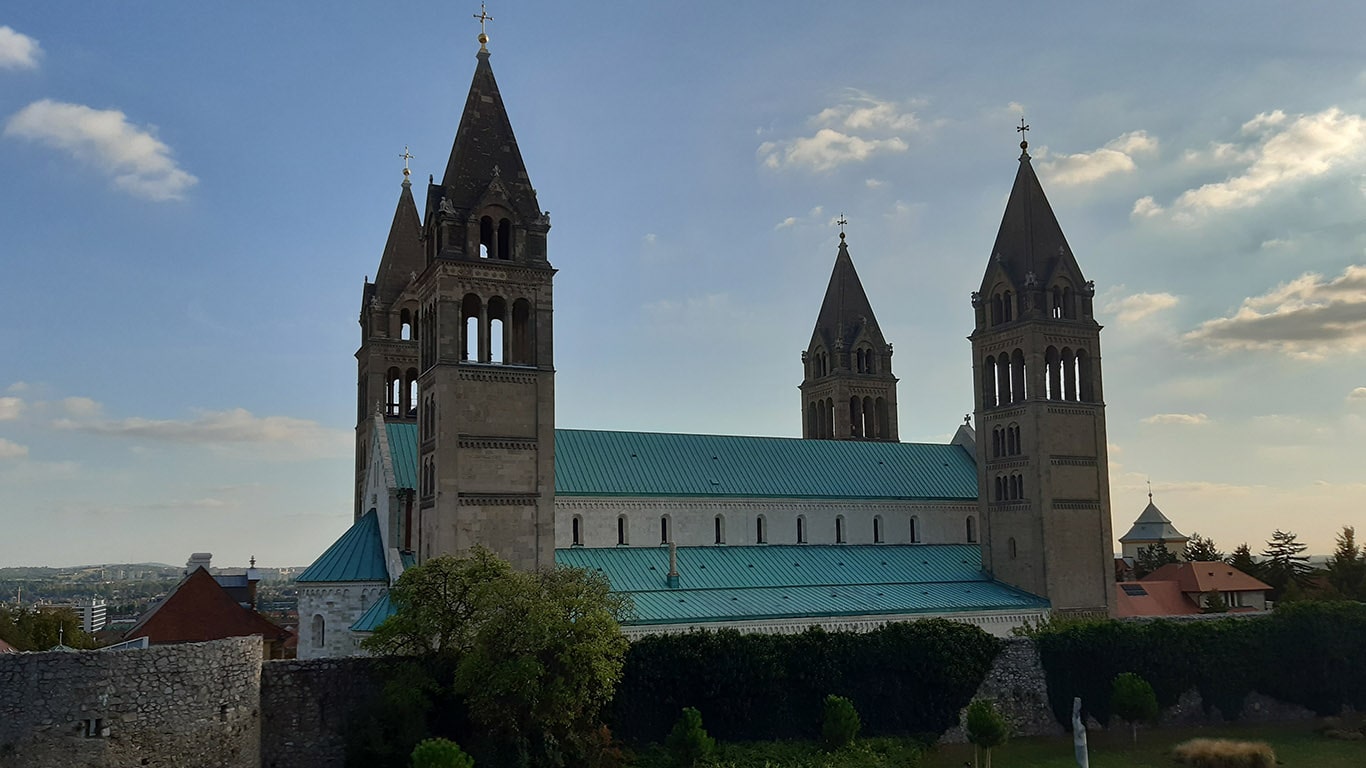
The Pécs Cathedral (The Sts. Peter and Paul’s Cathedral Basilica) is still one of the city’s landmarks (Photo: Endre Domaniczky)

Although Pécs in southern Hungary had boasted the title of the first Hungarian university city since 1367, the law school where Ferenc Mádl enrolled in 1951 was much younger. The Royal Hungarian Elizabeth University of Pozsony opened its doors in 1914 in the city of Pozsony in Upper Hungary (today: Bratislava, Slovakia), but territorial changes at the end of the World War I forced it to flee there.

In 1923, the southern city, always proud of its university traditions, “humbly welcomed the stateless and destitute University of Pozsony”. By the time Ferenc Mádl arrived in Pécs (at the early 1950s), the university had already become officially and nominally the University of Pécs. In the course of time, only one faculty remained, the Law School, but (during the Rakosi regime) even there the replacement of the teaching staff and the rewriting of the curriculum had begun.

Ferenc Mádl, who continued to be an excellent student at the university, soon attracted attention with a seminar paper, an extended version of which he entered the Faculty’s law competition in the spring of 1953.
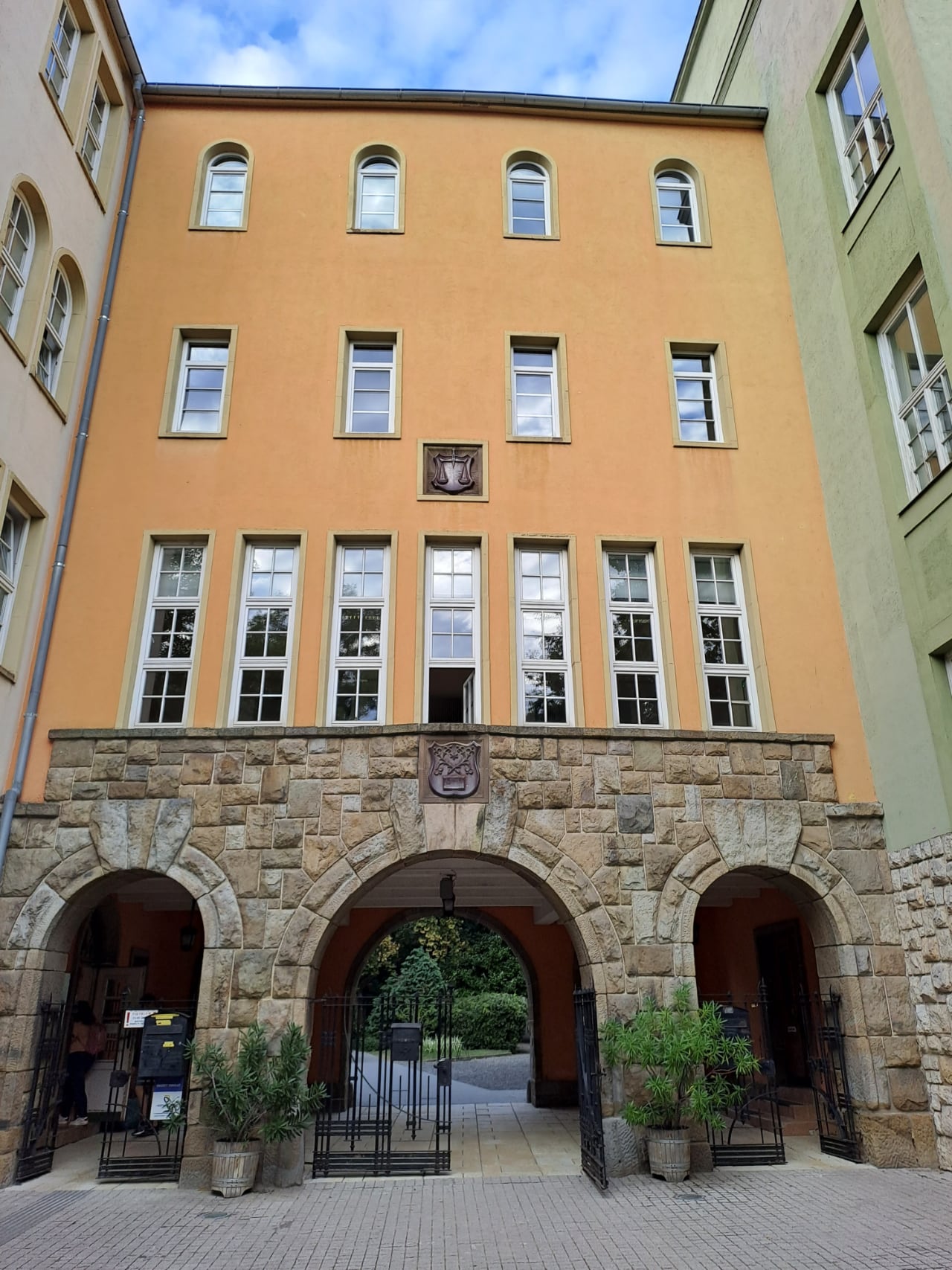
The Law School building at the University of Pécs (Photo: Endre Domaniczky)
The Law School building at the University of Pécs (Photo: Endre Domaniczky)

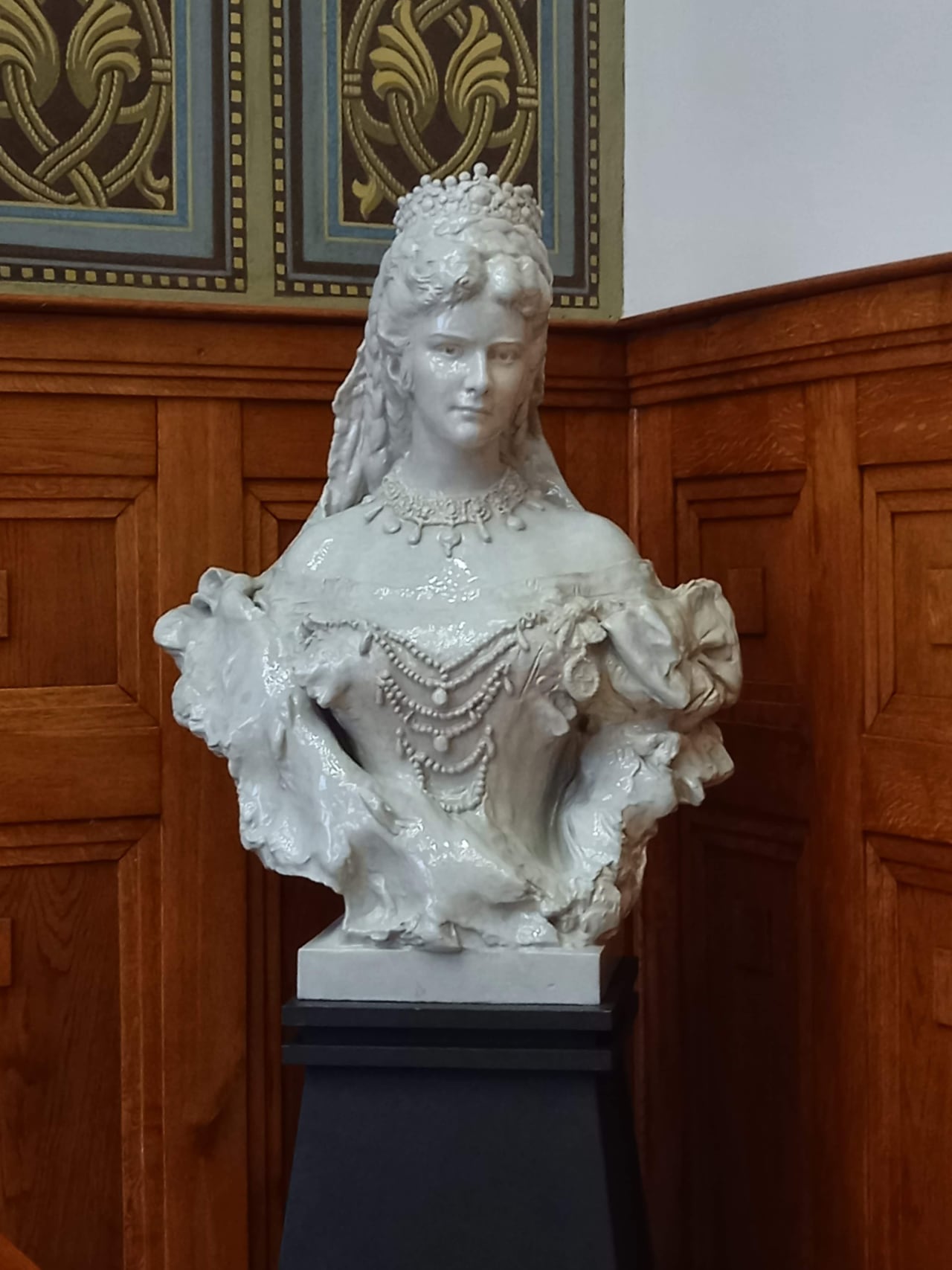
Statue of Queen Elisabeth, the namesake of the University’s precursor, in the Great Hall of the University of Pécs (Photo: Endre Domaniczky)

After winning first prize – the only second-year student to do so – he was expected to become involved in political work, but he firmly refused.

Although he was one of the best students in the faculty – or rather, in the one-faculty university – the air immediately froze around Mádl. He felt he had to move on or risk losing his degree.

sidebar

  • Ferenc Mádl
  • Biography
  • Timeline
  • Childhood
  • Education
    • University years
    • Pécs
    • Budapest
  • At the Hungarian Academy of Sciences
    • Desk officer at the administration
    • The researcher
    • The academician
  • Teaching at the University
    • Offical of the University
    • The professor of law
  • The Politician
    • Minister in the Antall government
    • In the civil movement
    • The President of the Republic
  • Private Life
  • Bibliography of Ferenc Mádl
  • News Archive
    • Photos
    • Videos
  • Professor Mádl’s legacy
Ferenc Mádl <span>memorial page</span>
  • Biography
  • Timeline
  • Childhood
  • Education
  • At the Hungarian Academy of Sciences
  • Teaching at the University
  • The Politician
  • Private Life
  • Bibliography of Ferenc Mádl
  • News Archive
  • Professor Mádl’s legacy
  • Impressum
  • Privacy Notice
  • Legal background
  • Ferenc Mádl Institute of Comparative Law